News
Share on
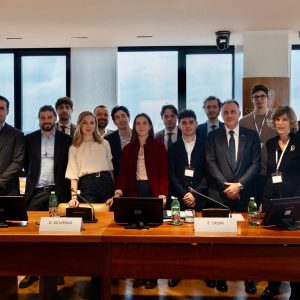
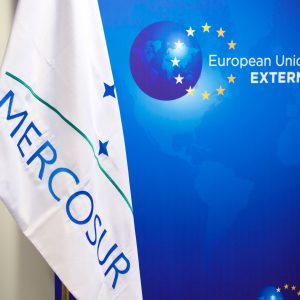
Strengthen industrial dialogue and transform the agreement EU-Mercosur into concrete opportunities for companies. With this objective Confindustria hosted in Rome the first “High-level meeting on Italy-Mercosur economic relations”.”, one week after the provisional entry into force of the trade agreement between the European Union and Mercosur.
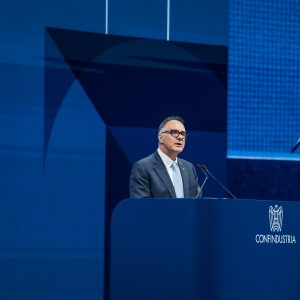
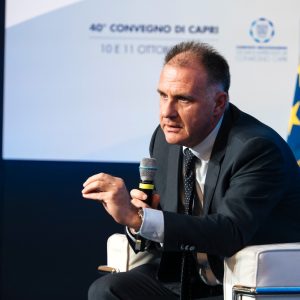
“It is not just a trade exchange, but the will to make our area and their area grow with the best technologies, to work together precisely to make products grow. With the industrial associations of the Mercosur countries, we have started to write a roadmap of things to do together: I believe that this is an excellent opportunity for Europe and Italy to exchange,” said the president of Confindustria, Emanuele Orsini.
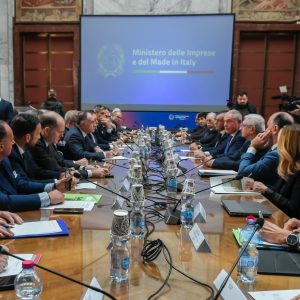
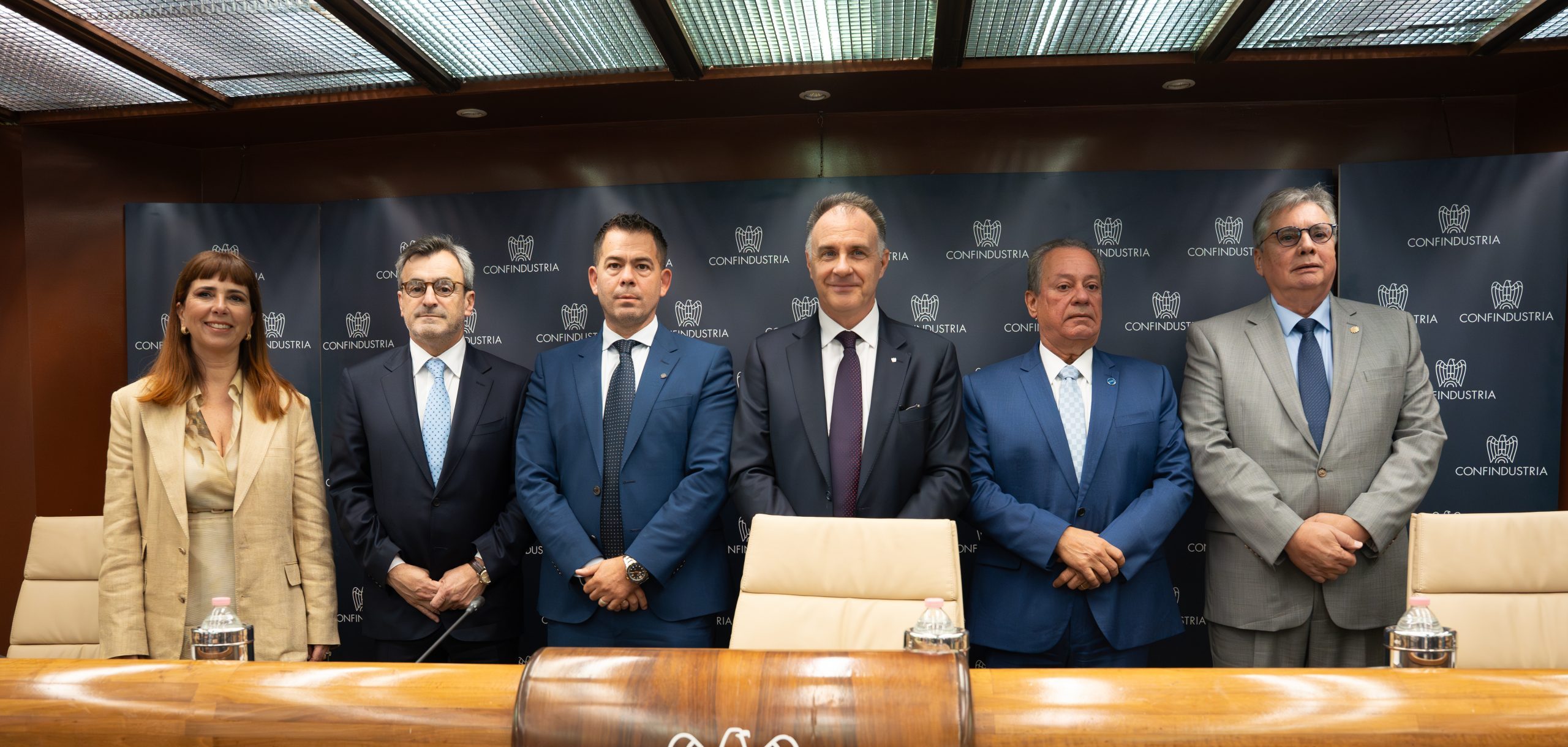
The meeting was attended by representatives of the main industrial organisations of the Mercosur countries: Ricardo Alban (CNI - Brazil), Leonardo García (CIU - Uruguay), Martin Rappallini (UIA - Argentina) and Carlos Insfran Micossi (UIP - Paraguay).
Italy-Mercosur partnership: roadmap and spaces for collaboration
The meeting brought together the main industrial organisations of the Mercosur countries with the aim of consolidating a structured economic partnership. Confindustria illustrated a plan that aims to strengthen skills, strategic supply chains and tools to support internationalisation.
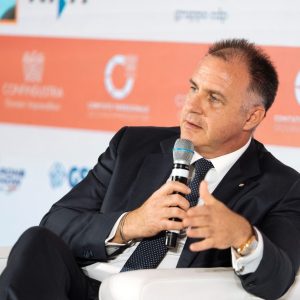
“I believe there is immense scope for cooperation. We now have an interchange of almost 15 billion and the four billion less duties on EU products will give us the opportunity to further strengthen the interchange of goods,” Orsini added, pointing to the concrete potential of the agreement.
Skills and supply chains: levers for shared growth
Among the priorities identified were the strengthening of human capital through shared training and upskilling programmes and the development of integrated industrial supply chains between Italy and Mercosur countries.
At the sectoral level, the cooperation covers sectors that are already central to bilateral economic relations: agribusiness, machinery, motor vehicles, pharmaceuticals, chemicals, rubber-plastics and textiles.
Energy transition: complementarities and technologies
A strategic axis of cooperation is energy transition, an area in which strong synergies emerge between the economies involved.
“The energy transition is one of the sectors where we will have the greatest complementarity, because all Mercosur countries have well-defined goals and are confident that Italian and European technologies can give them a way to accelerate. Their plans are clear and this bodes well for our transition as well: we will see on a much larger scale dynamics that have already begun in other contexts,” stressed the Vice President for Export and Investment Attraction, Barbara Cimmino.
Missions and Tools for Internationalisation
At the operational level, Confindustria will lead a system mission from 7 to 11 September in Argentina e Brazil, with stops in Buenos Aires, Sao Paulo and Brasilia, to strengthen industrial relations and exploit business opportunities in the most strategic sectors.
To support businesses, the following was also presented ExPAND, the digital tool for estimating export potential and directing internationalisation strategies in a more effective and data-driven way.
EU-Mercosur Agreement: Impacts on Exports and Businesses
As of 1 May, the EU-Mercosur trade agreement, which provides for a gradual reduction of duties on more than 90% of European exports, enters into provisional force, with a estimated benefit of approximately EUR 4 billion annually for companies in the Union.
For Italy, the agreement strengthens access to a market of more than 700 million consumers, improves the competitiveness of exported products and supports export growth, while promoting the development of industrial supply chains and integration into global value chains.